


Blog
DL-Mandelic Acid VS Glycolic Acid
2026-05-19
Individuals seek a wide variety of qualities in their acne treatment products. Gentle fruit acids can help enhance skin tolerance, facilitating long-term use while providing balanced exfoliation with a reduced risk of irritation. Both DL-Mandelic Acid and Glycolic Acid are exceptional Alpha Hydroxy Acids (AHAs). From the perspective of a raw material supplier, Kintainutri® will break down the core differences between these two ingredients to help you determine which AHA is best suited for your next product line.
DL-Mandelic Acid vs Glycolic Acid: What Are They?
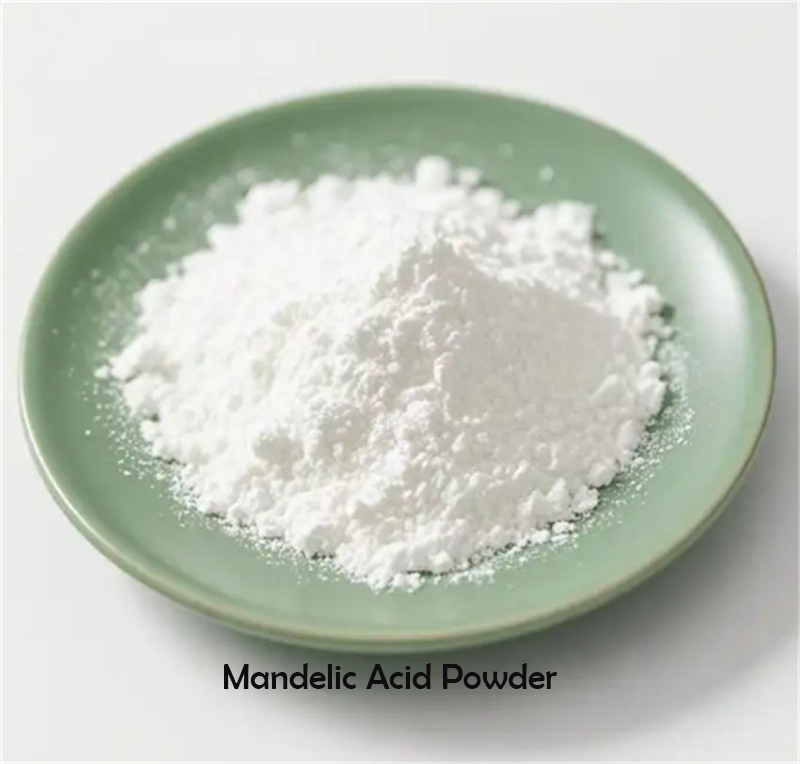
DL-Mandelic Acid is a gentle, multifunctional fruit acid. It effectively promotes the turnover of dead skin cells, improving rough and dull skin textures to leave the complexion smooth and radiant. Furthermore, its lipophilic and antibacterial properties allow it to unclog pores and treat inflammatory acne. Additionally, it inhibits tyrosinase activity, helping to fade dark spots and acne marks, while stimulating collagen synthesis to improve skin elasticity and firmness, ultimately providing anti-aging benefits.

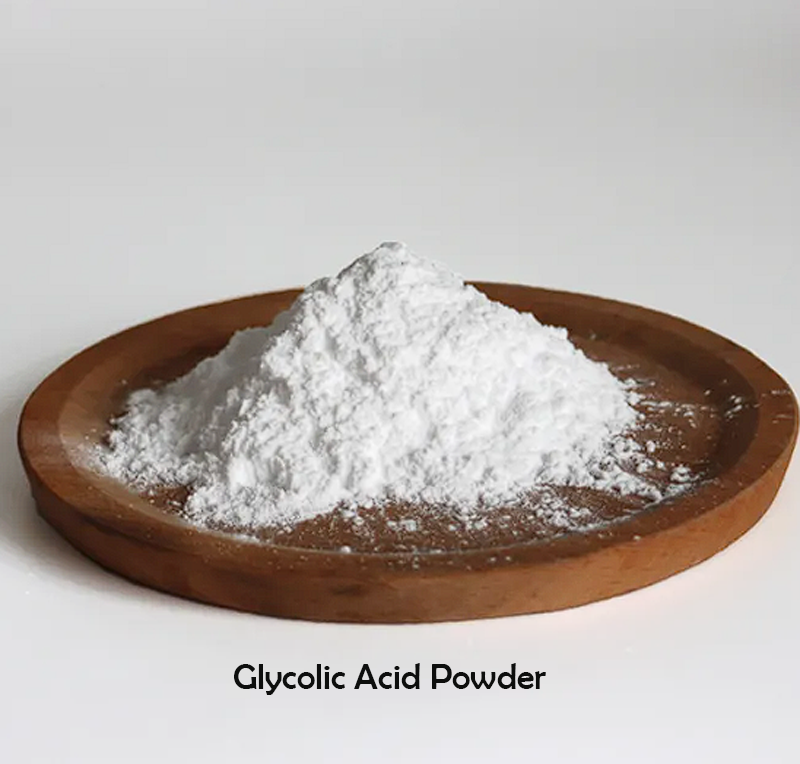
Glycolic Acid exfoliates by stimulating the shedding of cells within the epidermal stratum corneum; this process sloughs off rough, dull skin and promotes cellular renewal. Simultaneously, it boosts hyaluronic acid levels to restore skin hydration and plumpness, while improving skin barrier function to ensure effective moisturization. It also promotes collagen synthesis, resulting in firmer skin and a reduction in fine lines and wrinkles. Moreover, it can be used to treat sun-induced hyperpigmentation (such as age spots), offering skin-brightening effects, and helps to improve conditions such as acne, scarring, and dry skin.

DL-Mandelic Acid vs Glycolic Acid: Raw Material Sourcing Comparison Chart
| Parameter | DL-Mandelic Acid | Glycolic Acid |
|---|---|---|
| Specification | White crystalline powder, Purity ≥98% (HPLC), MW 152.15, Melting point 119℃ | White to light yellow crystals / 70% solution, Purity ≥99%, MW 76.05 |
| CAS No. | 90-64-2 | 79-14-1 |
| INCI Name | DL-Mandelic Acid | Glycolic Acid |
| Process Source | Mainly chemical synthesis | Mainly chemical synthesis |
| Physical Properties | Moderate water solubility, better soluble in alcohols & oil phases (hydrophilic + lipophilic) | Strongly water-soluble, almost insoluble in oil phases, highly hygroscopic, requires strict sealed storage |
| Formulation Stability | Good stability. Stable in powder form, solution does not discolor easily under light protection, wider pH range (3.5-5.0), high formulation compatibility | Moderate stability. Prone to decomposition/discoloration under high heat or extreme pH, long-term stability of high-concentration solutions requires attention |
| Target Market | Mid-to-high end / Differentiated: Sensitive skin, darker skin types, men's grooming, post-procedure repair, natural/gentle claim products | Mass / Efficacy-driven: Anti-aging lines, body care, industrial cleaning, medical aesthetic peels, mass-market exfoliants |
Differentiation | Gentle yet effective, Large molecule, slow penetration, low irritation, lipophilic - can enter hair follicles; suitable for "sensitive skin" | Small molecule, fast penetration, strong efficacy, low cost; suitable for "anti-aging", "peel", "rapid exfoliation" claims, ideal for industrial mass production |
| Procurement Cost | Higher | Lower. Significant cost advantage for mass production |
| Storage | Sealed, protected from light, cool & dry place | Sealed, protected from light, moisture-proof |
DL-Mandelic Acid vs Glycolic Acid: Efficacy Comparison
Both mandelic acid and glycolic acid belong to the family of alpha hydroxy acids (AHAs). However, they exhibit distinct functional characteristics within skincare formulations. Due to its larger molecular size, mandelic acid penetrates the skin relatively slowly. Consequently, it is less irritating and is particularly well-suited for individuals with sensitive skin or darker skin tones. Furthermore, mandelic acid possesses antimicrobial properties, making it a common choice in formulations designed for acne-prone skin and those prone to breakouts.
Glycolic acid is one of the alpha hydroxy acids with the lowest molecular weight, allowing it to penetrate the skin more rapidly and deeply, thereby providing a stronger exfoliating effect. It is highly effective at improving dullness, brightening the complexion, and smoothing skin texture. However, due to its fast penetration, it also has a higher potential for irritation—particularly in high-concentration formulations.The choice between the two ultimately depends on the specific needs of your target user's skin type and their product usage preferences.
Similarities
Both Glycolic Acid and DL-Mandelic Acid belong to the first generation of Alpha Hydroxy Acids (AHAs). They function by gently exfoliating dead skin cells, effectively unclogging hair follicles and improving issues such as comedones, closed comedones, and rough skin texture. Both ingredients promote epidermal renewal and help fade superficial acne marks and dark spots, leaving the skin smooth and refined.
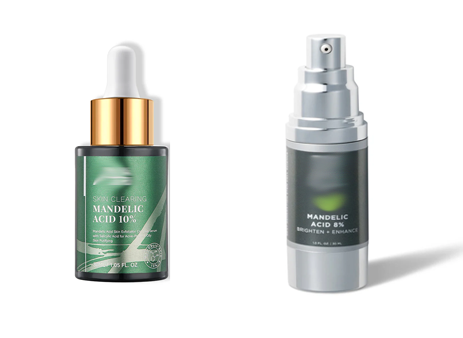
Furthermore, both ingredients possess moisturizing properties, capable of increasing the water content within the stratum corneum. Regarding precautions for use, both ingredients increase the skin's photosensitivity. Therefore, strict sun protection is mandatory during use, and users should begin with low concentrations to gradually build up skin tolerance.
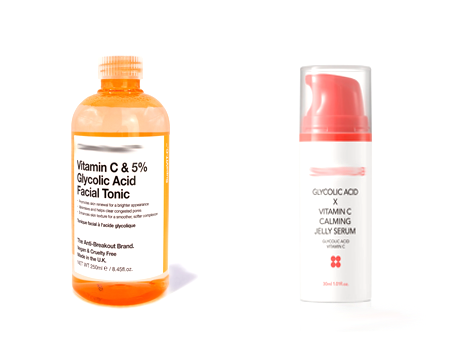
Key Differences
Thanks to its gentler properties, DL-Mandelic Acid is better suited for customers with sensitive or oily, acne-prone skin, its lower potential for irritation also helps minimize usage risks for consumers.
Glycolic Acid Powder, by contrast, is more potent and requires a period of building skin tolerance, making it more suitable for experienced users. However, its low raw material cost and rapid efficacy make it an ideal ingredient for use within the medical aesthetics industry.
Why Source DL-Mandelic Acid from Kintainutri®?
As a professional supplier of botanical extracts, Kintainutri® offers high-purity DL-Mandelic Acid powder with a purity specification of 98%–99%, meeting rigorous international standards. We are equipped to supply the Mandelic Acid powder you require to businesses of all types. Contact our sales team to request free samples and a Certificate of Analysis, we are committed to serving as your stable and trustworthy partner and supplier.
Reference:
[1]: https://pmc.ncbi.nlm.nih.gov/articles/PMC3941867/
[2]: https://pmc.ncbi.nlm.nih.gov/articles/PMC6785964/
[3]: https://en.wikipedia.org/wiki/Mandelic_acid
[4]: https://en.wikipedia.org/wiki/Glycolic_acid
[1]: https://pmc.ncbi.nlm.nih.gov/articles/PMC3941867/
[2]: https://pmc.ncbi.nlm.nih.gov/articles/PMC6785964/
[3]: https://en.wikipedia.org/wiki/Mandelic_acid
[4]: https://en.wikipedia.org/wiki/Glycolic_acid