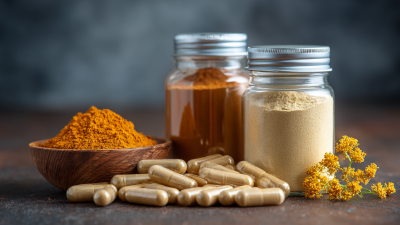
In today’s super hectic world, more people are finding it tougher than ever to get a good night’s sleep. You’ve probably heard of Passionflower (or Passiflora Incarnata) as a natural way to chill out and improve your sleep—it's gained quite a reputation for its calming effects. That said, if you want to get the most benefits without going overboard, it’s really important to know the right Passiflora Incarnata dosage for sleep. At Xi'an Kintai Biotech Inc, we take quality and safety seriously. We stick to strict quality checks—from where we grow the plants all the way to what ends up in your hands. Our goal is to give you top-notch raw materials so you can really unlock the potential of Passionflower. In this blog, we’ll chat about how to use this amazing herb responsibly, so you can sleep better and wake up feeling refreshed and ready to take on the day.
Understanding Passiflora Incarnata: An Overview
So, let’s talk about Passiflora incarnata, or as most folks just call it, passionflower. It’s been getting a lot of buzz lately, especially for its potential to help with sleep issues. You know those nights when you just can't seem to fall asleep no matter what? Well, some studies suggest that this herbal remedy might actually help people who are dealing with insomnia or anxiety by improving sleep quality and making it quicker to drift off. There was even a report from the National Institutes of Health pointing out that extracts from passionflower can boost levels of GABA in the brain—that’s the stuff that helps you feel more relaxed and calm in your nervous system.
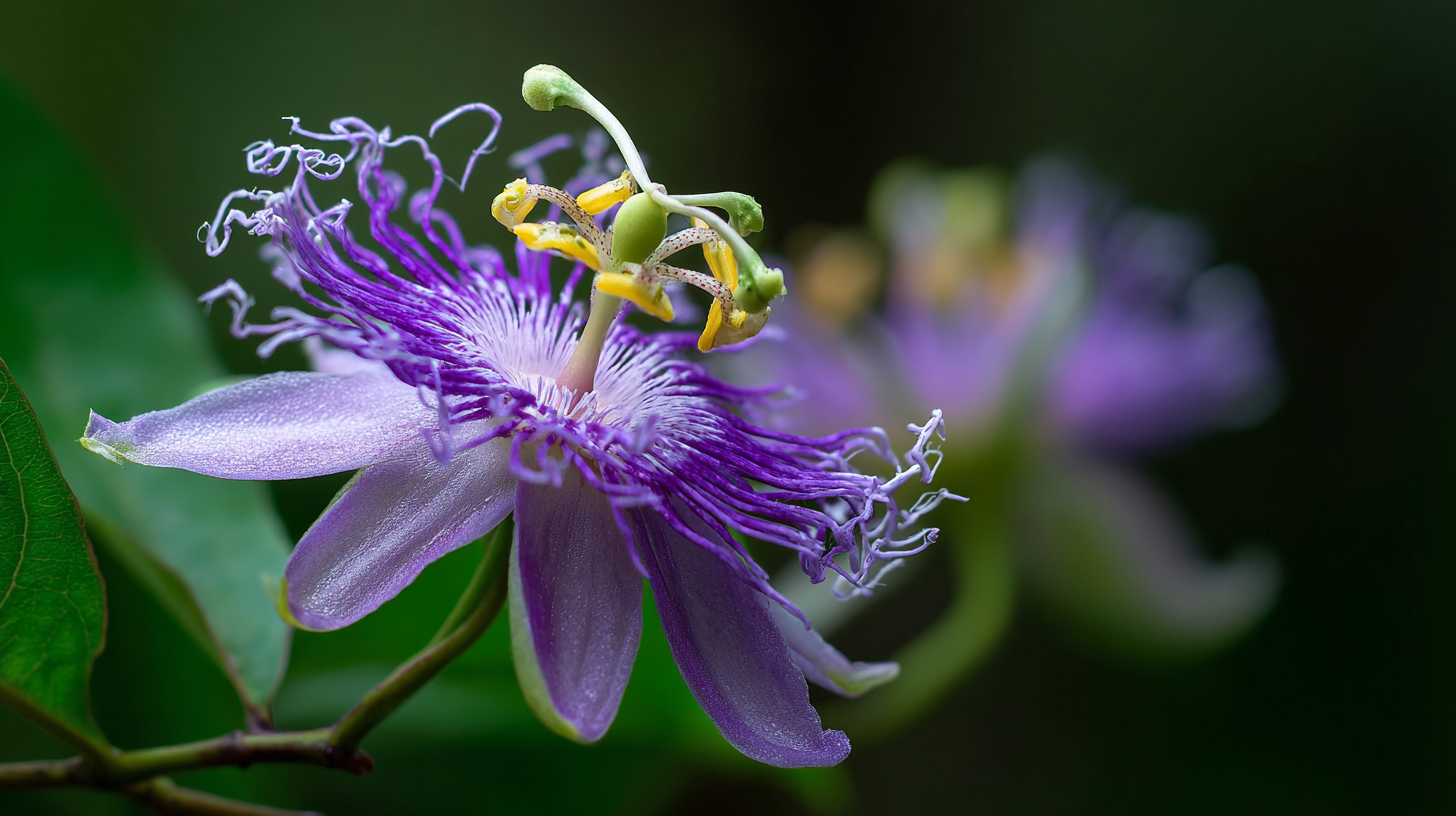
And get this, recent market research shows that more and more people are turning to natural sleep aids like passionflower. The herbal supplements market is growing at around 7.5% each year, all the way through 2025. That really shows how folks are leaning towards more holistic, natural ways to take care of their health—especially when it comes to sleep—rather than relying solely on pharmaceuticals. But, just a heads-up: as sleep health becomes a bigger trend worldwide, it’s super important to use passionflower wisely and with some knowledge. You want to enjoy its benefits without overdoing it or rushing into anything — it’s all about balance, after all.
Natural Sleep Aid: How Passiflora Incarnata Works
Hey there! You might’ve heard of passionflower, or Passiflora incarnata — it’s pretty popular for helping people relax and catch some quality sleep naturally. This beautiful climbing vine has been used since way back in ancient times to ease anxiety and help folks get better rest. Recent studies are pretty promising too: they show that passionflower extract can actually improve sleep without those annoying side effects you often get with synthetic meds. And, interestingly, the global market for sleep aids is expected to hit around $109 billion by 2030 — shows just how many people are looking for more natural ways to snooze peacefully.
When you’re trying out passionflower for better sleep, it’s good to start slow. Like, try 250 mg of the extract first, see how your body reacts, and then maybe bump it up a bit if needed. Adding this herb to your nighttime routine can really help — you can brew it as tea or take a supplement about half an hour before bed. Oh, and here’s a little tip: stacking passionflower with other calming herbs like chamomile or valerian root might boost its sleep-inducing effects even more. Just make sure to check in with a healthcare professional first, especially if you’re on medications or have any health issues — you want to be safe and sound.
All in all, it’s a pretty gentle, natural way to relax and improve your sleep—worth giving a shot!
How to Use Passiflora Incarnata for Better Sleep Without Overdoing It
| Aspect | Details |
| Common Uses | Natural sleep aid, reducing anxiety, muscle relaxation |
| Dosage | Typically 0.5 to 2 grams of dried herb, 30 minutes before bedtime |
| Forms Available | Tea, capsules, tinctures, extracts |
| Mechanism of Action | Contains flavonoids and alkaloids that affect GABA receptors |
| Side Effects | Mild drowsiness, dizziness, potential interaction with sedatives |
| Best Practices | Start with a low dose, monitor effects, consult healthcare provider |
| Precautions | Avoid excessive use, not recommended for pregnant or nursing women |
Dosage Guidelines: Finding the Right Amount for Sleep
If you're thinking about using Passiflora Incarnata to help improve your sleep, it's really important to get the right dose — nobody wants to overdo it and end up feeling worse, right? This herbal remedy is often praised for its calming effects, and loads of folks use it when they’re battling insomnia or just having restless nights. But, like with any supplement, finding what works best for you is key. Usually, it’s advised to start with a small amount and then gradually increase if needed, depending on how your body reacts. Most experts recommend somewhere around 250 to 500 mg, taken about half an hour before bed, giving your body time to settle in and see if it helps without risking any unwanted side effects.
Potential Side Effects: Avoiding Overuse of Passiflora
Passionflower, or Passiflora incarnata as it's technically called, has been getting pretty popular lately as a natural way to tackle anxiety and sleep troubles. People are drawn to it mainly because of its calming effects, but here's the thing—it's really important to be cautious about how much you use. Some studies suggest that passionflower can help ease anxiety, but we still don't have enough long-term research to say for sure that it's safe and effective over time. There was a 2021 study looking into how passionflower might help people taper off benzodiazepines, and while it showed promise, it also warned folks to be careful—because taking too much could make you dizzy or confused. Overall, it seems like passionflower might be a good option if you're dealing with sleep issues or nervousness, but safety should definitely come first. The main thing to keep in mind is that, in moderate amounts, it's probably pretty safe, but since we don't have all the answers yet, taking excessive doses isn't recommended. Everyone's different, and higher doses might not give you the calming effect you're hoping for—sometimes, they could do the opposite. So, if you're thinking about using passionflower to help you sleep, it's a smart idea to chat with a healthcare professional first and stick to recommended amounts. Better safe than sorry, right?
Passiflora Incarnata Usage and Sleep Quality
Incorporating Passiflora Incarnata into Your Nighttime Routine
If you’re looking for a gentle way to improve your sleep, trying out Passiflora Incarnata — which you might hear folks call passionflower — might just do the trick. It's actually pretty popular for its calming effects and for helping to chill out anxiety, making it a nice addition to your nighttime routine. One simple idea? Brew a warm cup of passionflower tea using dried leaves. Sipping on this about half an hour before bed can cue your body that it’s time to relax and wind down.
And hey, for even better results, you could mix passionflower with other natural sleep helpers like chamomile or valerian root. Combining these in a tea can create a kind of magic synergy that really helps you kick back and get better rest. Plus, sticking to a regular bedtime routine — like reading a book or doing some light meditation while drinking your passionflower tea — can make a big difference in how well you sleep. When you approach it holistically, you’re not just improving your sleep but also supporting your overall well-being, so you wake up feeling refreshed and ready to take on the day.
Exploring Other Natural Remedies for Sleep Alongside Passiflora
If you're looking into natural remedies to help you sleep better, you'll come across Passiflora incarnata, also called passionflower. It's pretty popular for its calming effects, but honestly, there are quite a few other options that can work hand-in-hand with it to give you that restful night you're after. For example, herbal teas like chamomile and valerian root have been used for ages because of their sedative qualities. Incorporating these into your bedtime routine can really help you relax and get ready to drift off.
Tip 1: Try making a little nighttime herbal infusion by blending passionflower with chamomile. Just steep them together for about 10 minutes before bed—it makes a super soothing drink that encourages tranquility.
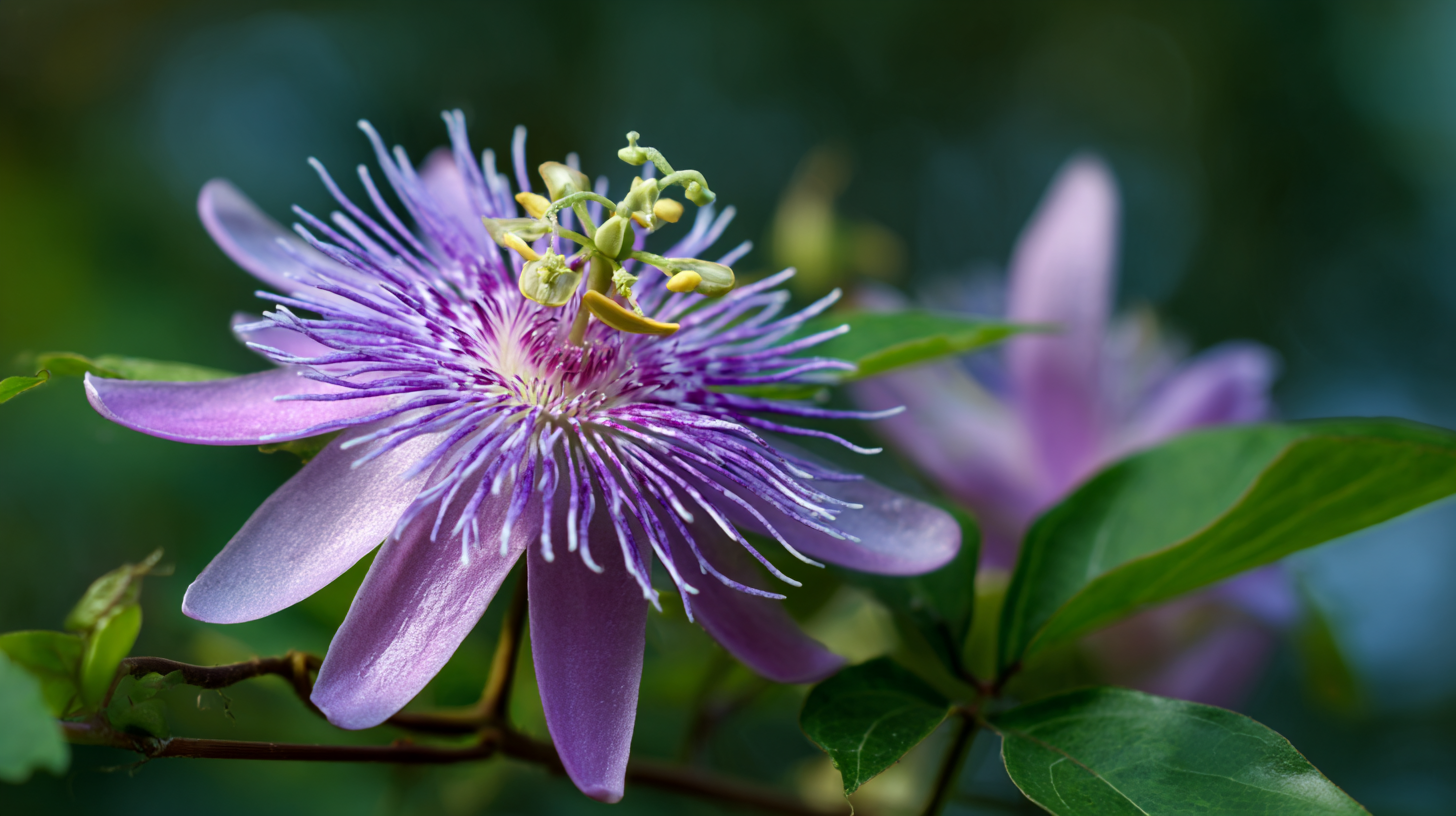 On top of that, practices like mindfulness or some gentle yoga can really boost your sleep quality. Simple techniques like deep breathing or meditation can help calm your mind after a busy day, making it easier to wind down. Making these a regular part of your evening ritual can set a peaceful vibe that signals to your body it's time to relax.
Tip 2: Before hitting the hay, spend 10 minutes doing a quick meditation. Focus on your breathing, let go of any stress or tension—that can really make a difference in how deep and restful your sleep turns out to be.
Unlock Restful Nights: How Best Sleepy Melatonin Powder Enhances Your Sleep Quality
In today's fast-paced world, achieving restful nights can often seem elusive. However, the Best Sleepy Melatonin Powder offers a natural solution to enhance your sleep quality. With a remarkable 99% purity level, this melatonin powder stands out not only for its effectiveness in promoting a soothing sleep cycle but also for its versatility across various applications. Whether used in dietary supplements, functional foods, or high-end skincare products, the powder demonstrates its adaptive nature, appealing to a wide range of consumers seeking a better night's rest.
The Melatonina Powder, characterized by its white appearance and produced in a state-of-the-art, 100,000-level clean production workshop, ensures safety and quality. Coupled with certifications such as GMP, ISO9001, and HACCP, users can have peace of mind knowing they are using a product formulated without additives or GMOs. This melatonin powder, with a shelf life of two years, is an ideal addition to your wellness routine, delivering results quickly thanks to its rapid delivery service. As many continue to search for natural sleep aids, the Best Sleepy Melatonin Powder emerges as a trustworthy ally, making restful nights a reality.
FAQS
: Passiflora incarnata is commonly known as passionflower.
It may aid individuals struggling with insomnia or anxiety by enhancing sleep quality and reducing the time taken to fall asleep.
Extracts from Passiflora incarnata can increase levels of gamma-aminobutyric acid (GABA) in the brain, contributing to a calming effect on the nervous system.
The herbal supplements market is projected to grow by 7.5% annually through 2025.
A typical dosage recommendation is between 250 to 500 mg, taken 30 minutes before bedtime.
It is recommended to start with a low dose and gradually increase it based on individual responses to avoid overdoing it.
No, while it can support better sleep, it should not be considered a cure-all and should be used with care.
Yes, it is essential to discuss any sleep aid options with a healthcare provider, especially for children, as overdosing can pose risks.
Monitoring your body’s responses and adjusting the dosage as needed will help achieve a restful night while minimizing the chances of overshooting the necessary intake.
Conclusion
If you're on a quest for better sleep, you might want to consider Passiflora Incarnata—it's a natural helper known for its calming effects. Honestly, understanding how this herbal remedy works can make a big difference—it helps you use it properly without going overboard. The right dosage really is key; finding that sweet spot can make your relaxation smoother and improve your sleep quality overall. Following dosage guidelines is super important so you get the benefits without any unwanted side effects.
Adding Passiflora Incarnata into your nighttime routine is pretty easy—try it as a tea, tincture, or capsules, whatever works best for you. And hey, exploring other natural remedies can boost your sleep game even more. Here at Xi'an Kintai Biotech Inc, we’re really serious about quality—our Passiflora products go through strict checks to make sure they’re safe and top-notch. That way, you can enjoy the calming benefits of Passiflora Incarnata knowing you’re in good hands.