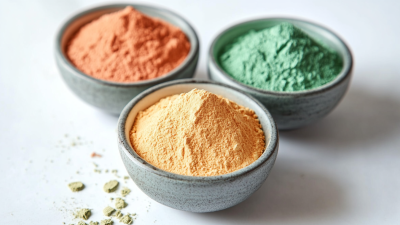
You know, the global market for healthcare supplements is booming and is expected to hit a whopping USD 300 billion by 2025. So, it’s super important for both manufacturers and consumers to find top-quality products. Countries like China are really stepping up and leading the way in producing these vital goods, where they mix high-tech methods with traditional herbal practices.

Take Xi'an Jintai Biotechnology Co., Ltd., for example—they're all about excellence! They’ve got this thorough quality control system, watching every detail from how the plants are grown right up to when the final product is ready. By sticking to strict quality inspection standards, Kintai makes sure they’re only using the best and safest raw materials in their healthcare supplements. And with the rising demand for natural and effective health solutions, it’s more important than ever for folks in the industry to know how to source the best products from around the globe.
So, when you're on the hunt for healthcare supplements, there are a few key things to keep in mind that can really influence your overall well-being. First off, it’s super important to think about what your specific needs are, especially based on your lifestyle and any health conditions you may have. Like, if you're managing diabetes, you’ll want to pay extra attention to certain vitamins and minerals that can help keep those blood sugar levels in check. The National Institute of Diabetes and Digestive and Kidney Diseases (that’s a mouthful, right?) even suggests that embracing a healthy lifestyle can play a big role in managing diabetes, along with blood pressure and cholesterol. This really drives home the point that the right supplements should be a nice fit with the changes you’re making in your diet and day-to-day life.
Now, let’s dive a little deeper. Experts always talk about how crucial it is to understand what different supplements actually do. Research has shown that not all supplements are a one-size-fits-all deal. For example, multivitamins can vary a ton in how well they actually work for you, depending on your health needs and how active you are. And get this: back in 2025, some registered dietitians pointed out that athletes might really benefit from branched-chain amino acids (BCAAs) to help with muscle recovery and endurance. This really highlights why it's important to think about your own health goals and maybe chat with some healthcare pros to find out what’s right for you. With the wellness market expanding like crazy, being clued in on the best dietary supplements has never been more important.
| Factor | Description | Importance Level | Average Cost (USD) |
|---|---|---|---|
| Ingredients Quality | Assessment of ingredient sources and purity. | High | 50-150 |
| Third-Party Testing | Verification by independent labs to ensure product safety and efficacy. | High | 30-100 |
| Regulatory Compliance | Adherence to local and international regulations for dietary supplements. | Medium | 10-50 |
| Brand Reputation | History and consumer feedback on the brand. | Medium | 20-80 |
| Sourcing Transparency | Availability of information about sourcing and manufacturing processes. | High | 15-60 |
| Customer Support | Quality and accessibility of customer service. | Medium | 5-25 |
When you're looking for healthcare supplements, it's super important to pay attention to quality certifications and testing. Seriously, you can't overlook this stuff! Quality certifications not only help make sure that the products are safe and actually effective, but they also help us, the consumers, make smart choices. Take third-party testing, for example—it basically checks if a supplement really has everything it says on the label and in the right amounts. Just look at all the buzz around omega-3s and protein supplements lately; dietitians are really stressing how crucial it is to have transparency in sourcing. You don’t want to end up with products that promise the world but fall flat on delivering real health benefits.
Now, choosing supplements from brands that take testing and quality seriously is more important than ever. With the health and wellness world booming, it can feel like there’s just too much to sift through. Thankfully, experts are stepping in to highlight supplements that meet high-quality standards, which really helps. So, keep an eye out for certifications like GMP (Good Manufacturing Practices) or NSF Certified for Sport—they’re great indicators that you’re making a safe and reliable choice. In the end, these informed decisions can lead to better health and well-being through your supplement routine!
When you’re on the hunt for the best healthcare supplements out there, checking out the reputation of the manufacturers is super important. I mean, did you know that a report from Grand View Research put the global dietary supplements market at around USD 140.3 billion in 2020? That’s a massive market that’s expected to grow at a CAGR of 8.2% between 2021 and 2028. With all this growth happening so fast, it’s crucial to team up with reputable manufacturers to dodge any risks tied to low-quality products.
One of the key things to look at when evaluating a manufacturer’s reputation is whether they’re sticking to regulatory standards. The World Health Organization is pretty clear that products should meet Good Manufacturing Practices (GMP). Plus, keep an eye out for third-party certifications like those from NSF International and USP — they can give you extra peace of mind regarding product quality and safety. Diving into customer reviews and testimonials on platforms like Trustpilot or even in dedicated healthcare communities can really help you get a sense of what other consumers have experienced. And always keep this in mind: a trustworthy manufacturer will be upfront about where they source their ingredients and how they ensure quality. This transparency really speaks volumes in such a rapidly growing marketplace.
So, when you're thinking about picking out healthcare supplements, really taking a look at the ingredient list is super important. A good supplement should lay out all its ingredients right there on the label, you know? It's best to look for high-quality stuff that’s got some solid science backing it up, like vitamins, minerals, and Herbal Extracts. And let’s not forget about where those ingredients come from—having transparency in sourcing is a big deal. It helps cut down the risk of contaminants and makes sure you’re picking a product that’s safe and actually works.
Also, it’s crucial to pay attention to the dosage. If there’s not enough of an ingredient, you might not feel any benefits, but too much can totally backfire! And be careful with those proprietary blends; they often don’t tell you how much of each ingredient is in there, which can really make a difference in how effective the product is. Lastly, look for certifications like GMP (Good Manufacturing Practices) or third-party testing. These can give you peace of mind regarding the quality of what you’re taking. By giving the supplement label a good once-over, you can make smarter choices and invest in stuff that genuinely boosts your health!
Let’s be real—navigating import regulations for sourcing supplements globally can feel pretty overwhelming at times. But getting a handle on it is super important if you want to stay compliant and ensure quality. The laws in the country you're targeting can really differ, so it’s key to know what you’re dealing with. Check out the regulatory bodies that manage dietary supplements, like the FDA in the U.S. or the EFSA in Europe. Getting familiar with their safety standards and labeling requirements can help you a ton.
When you’re sourcing supplements from overseas, it’s crucial to keep the lines of communication open with your suppliers. Don’t hesitate to ask about their quality assurance steps and certifications. Good suppliers will be right on board with Good Manufacturing Practices (GMP). And definitely keep an eye on the ingredients you want to import; some might be restricted or outright banned in certain areas. It might also be worth it to engage a customs broker, as they can really help simplify the import process and steer you through the maze of regulations. This could save you not only time but also help steer clear of those annoying penalties.
And hey, don’t forget to keep track of any changes in trade agreements or tariffs that could impact your import costs. Staying in the loop will help you pivot your sourcing strategy and keep you competitive in the market. By following these steps, you can find some top-notch healthcare supplements while staying on the right side of import regulations.
When sourcing the best healthcare supplements globally, leveraging customer reviews and feedback has become an indispensable strategy. According to a 2022 report by Grand View Research, nearly 80% of consumers consider online reviews as influential as personal recommendations, highlighting the pivotal role of experiential feedback in the supplement market. As the global dietary supplements market is expected to reach $278.02 billion by 2024, the importance of customer insights cannot be overstated. Supplements that feature prominently in customer discussions, whether through ratings or feedback, tend to garner trust and foster brand loyalty.
Moreover, recent studies from Nielsen reveal that 63% of consumers, before making a purchase, read user reviews to gauge product efficacy. This trend is particularly significant in healthcare supplements where quality and safety are paramount. By analyzing customer feedback on platforms like Amazon or specialist health forums, companies can glean critical data on product performance and consumer preferences. These insights not only guide potential buyers in making informed choices but also help manufacturers understand market demands, ultimately leading to improved product offerings that align with consumer needs.
: It is important to understand the specific laws of the target country, including regulations set by agencies like the FDA in the United States or EFSA in Europe, which cover safety standards and labeling requirements.
Establish clear communication with suppliers regarding their quality assurance processes and certifications. Ensure that they comply with Good Manufacturing Practices (GMP).
Yes, some ingredients may be restricted or banned in certain regions, so it's crucial to research ingredient regulations specific to your target market.
Engaging a customs broker can help streamline the import process and navigate complex regulations, saving time and reducing the risk of penalties.
Changes in trade agreements or tariffs can affect the cost of importing supplements, so staying informed about such changes is important for adjusting your sourcing strategy.
Customer reviews are highly influential, with nearly 80% of consumers considering them as important as personal recommendations, making them vital for informed supplement choices.
Studies show that 63% of consumers read user reviews before making a purchase to assess product efficacy, especially important for healthcare supplements.
Customer feedback can be analyzed on platforms like Amazon or specialist health forums, providing critical insights into product performance and consumer preferences.
Understanding customer feedback helps manufacturers align their product offerings with market demands, leading to improved products that meet consumer needs.
Prioritize understanding local laws, maintaining supplier communication, ensuring product quality, and staying updated on trade agreements and consumer trends.